
Common 9/11 Health Conditions Affecting Survivors
In the months following the September 11th terrorist attacks, thousands of residents, employees, and students in lower Manhattan were exposed

In the months following the September 11th terrorist attacks, thousands of residents, employees, and students in lower Manhattan were exposed
While prostate cancer is the most frequently diagnosed cancer in men, 9/11 responders face a significantly higher risk. According to
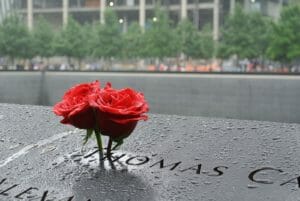
Filing a claim with the September 11th Victim Compensation Fund (VCF) can be a confusing process. There are numerous regulations

There are many reasons people might put off estate planning or drafting a will. However, for eligible 9/11 responders and
If you’re an eligible 9/11 responder or survivor, it’s crucial to be aware that the registration deadline to file a
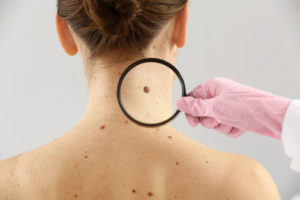
Skin cancer is among the top 15 cancer conditions certified by the WTC Health Program in 9/11 responders and survivors.
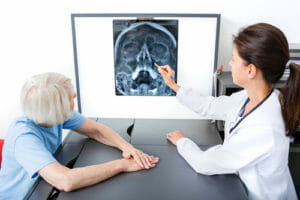
Affecting more than 26,000 responders, chronic rhinosinusitis — commonly known as chronic sinusitis — is the most common 9/11-related health condition certified
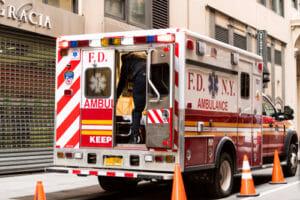
FDNY EMS workers were among the first of the courageous responders to arrive at Ground Zero after terrorists attacked the

Many 9/11 responders and survivors suffer from various illnesses and health problems linked to the toxins found in the dust
Two decades later, countless 9/11 responders and survivors continue to develop health conditions as a result of exposure to the
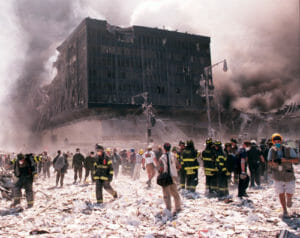
After terrorists attacked the World Trade Center on September 11, 2001, a highly toxic dust cloud covered lower Manhattan for
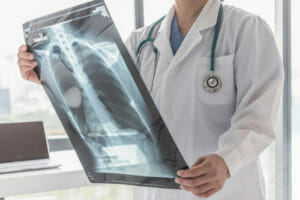
Respiratory problems are some of the most common illnesses faced by 9/11 responders. More than half of the WTC Health Program’s top
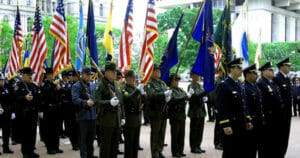
Among the brave responders who aided in the rescue and recovery efforts at Ground Zero and in the NYC Exposure
If you’re a responder or survivor who submitted a claim to the September 11th Victim Compensation Fund, your claim can
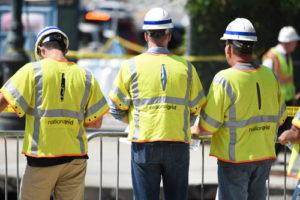
As a result of the 9/11 terrorist attacks, Consolidated Edison’s infrastructure throughout lower Manhattan sustained a tremendous amount of damage.
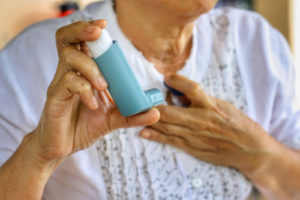
After the 9/11 terrorist attacks, the air in lower Manhattan was filled with poisonous compounds, metals, and carcinogens. Due to